


Designing or renovating your home is an exciting process, but it’s easy to make decisions that don’t stand the test of time. While trends and inspiration can provide a great starting point, the most successful interiors are those that balance style with practicality and are tailored to the way you live.
Across Essex, I often see homeowners make the same avoidable mistakes — from choosing furniture that’s too large for a room to overlooking the importance of lighting. The good news is that with a little planning and the right guidance, these pitfalls can be avoided. Here are five of the most common interior design mistakes homeowners make and how to steer clear of them.
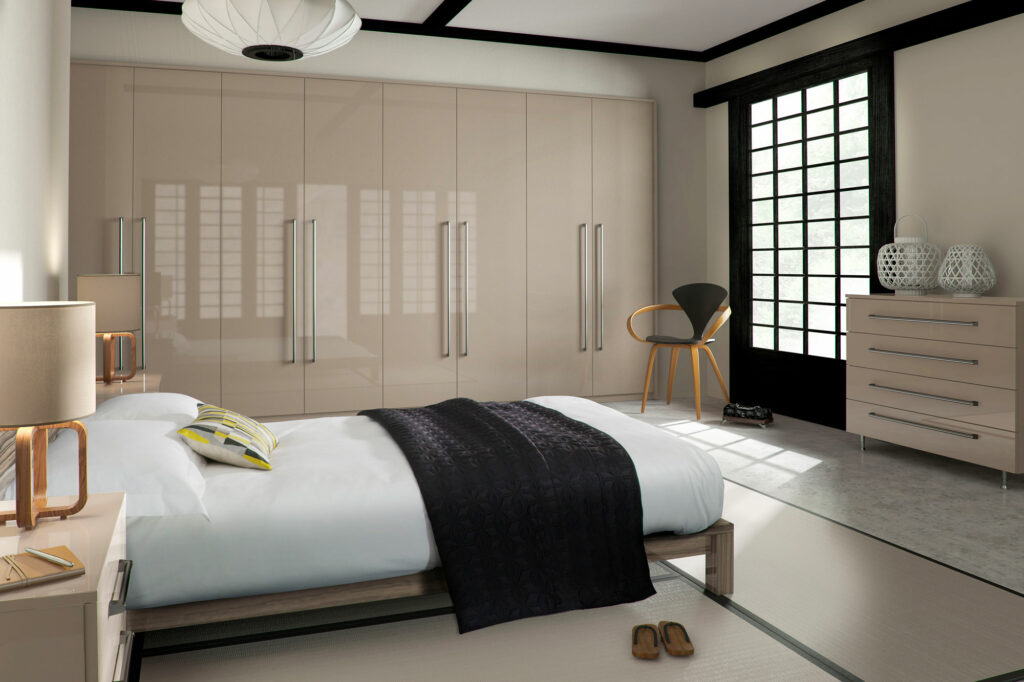
1. Prioritising Trends Over Timeless Design
It’s natural to be inspired by the latest trends, but designing an entire home around what’s fashionable today can quickly lead to disappointment. Interior trends evolve constantly, and a room that feels current now may feel dated in just a few years.
Instead, focus on creating a timeless foundation. Neutral colour palettes, quality materials and classic furniture styles provide flexibility and longevity. Trends can still play a role, but they’re often best introduced through accessories, artwork or soft furnishings that are easier and more affordable to update.
By prioritising timeless design, you’ll create a home that continues to feel stylish and relevant long after the latest trends have faded.
2. Choosing Furniture That Doesn’t Suit the Space
One of the most common mistakes homeowners make is purchasing furniture before fully understanding the proportions of a room. A sofa that’s too large can make a space feel cramped, while furniture that’s too small can leave a room feeling disconnected and unfinished.
Before making any purchases, it’s important to measure carefully and consider how the room will be used. Think about circulation space, natural focal points and how furniture pieces relate to one another. Visual balance is just as important as functionality.
A well-proportioned room feels effortless and comfortable. Taking the time to plan furniture layouts properly can make an enormous difference to the overall look and feel of your home.
3. Overlooking the Importance of Lighting
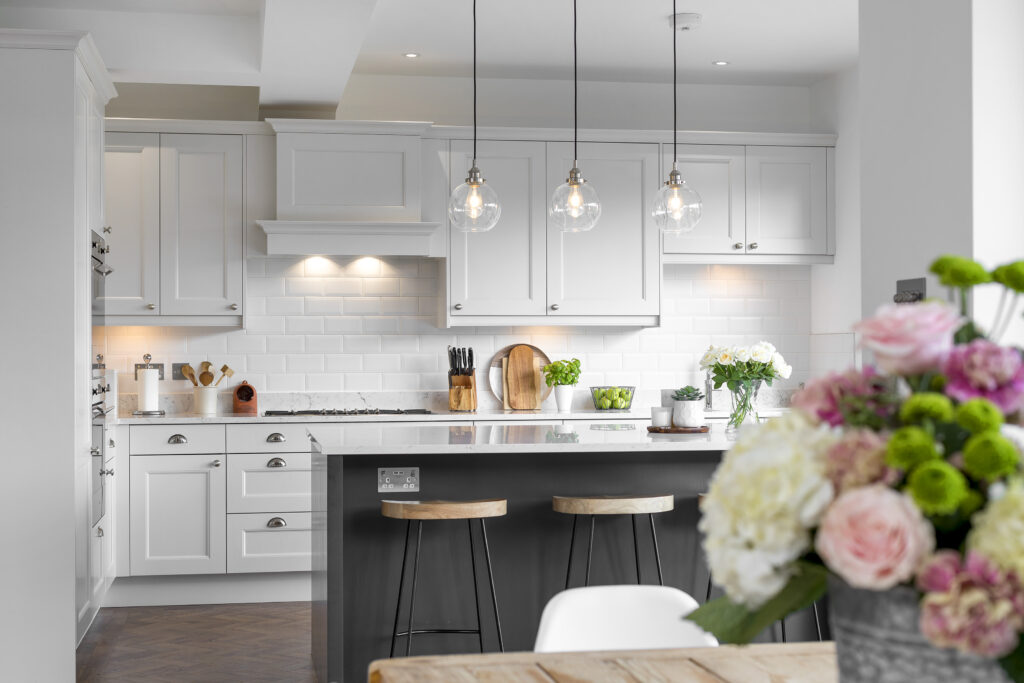
Lighting has a huge influence on how a space feels, yet it’s often one of the last things homeowners consider. Relying on a single ceiling light can leave rooms feeling flat and uninviting, regardless of how beautifully they’re decorated.
The most successful interiors use layered lighting. This means combining ambient lighting for overall brightness, task lighting for practical activities and accent lighting to create atmosphere and highlight key features. Table lamps, wall lights and pendant fixtures all have an important role to play.
A thoughtful lighting scheme can completely transform a room, making it feel warmer, more spacious and significantly more luxurious.
4. Ignoring Storage Requirements
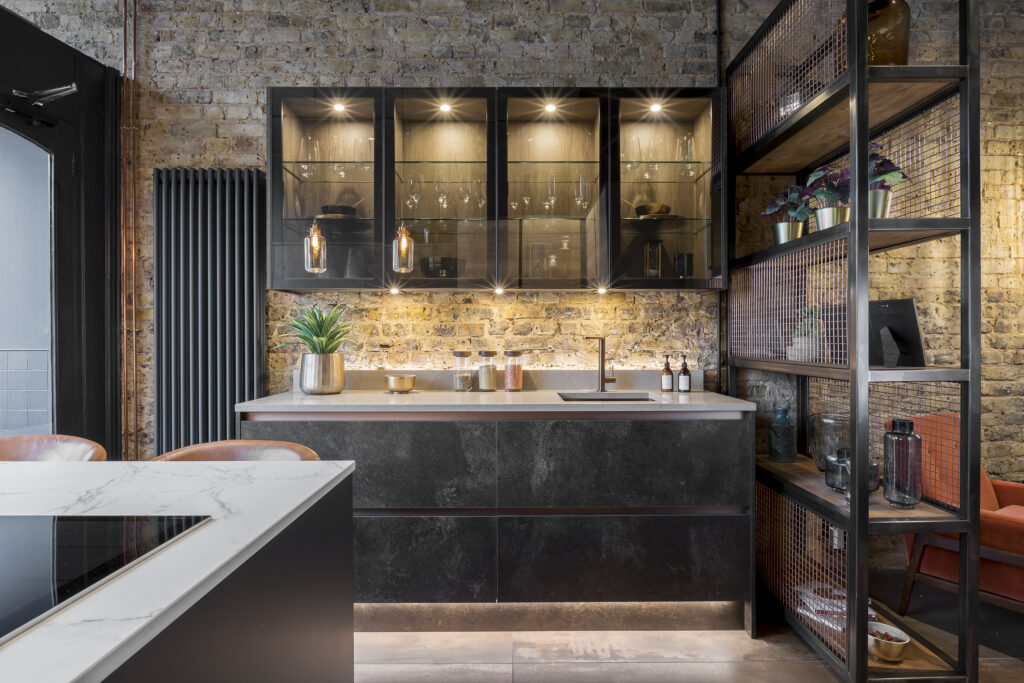
Storage isn’t always the most exciting aspect of interior design, but it’s one of the most important. Without adequate storage, even the most beautifully designed spaces can quickly become cluttered and difficult to maintain.
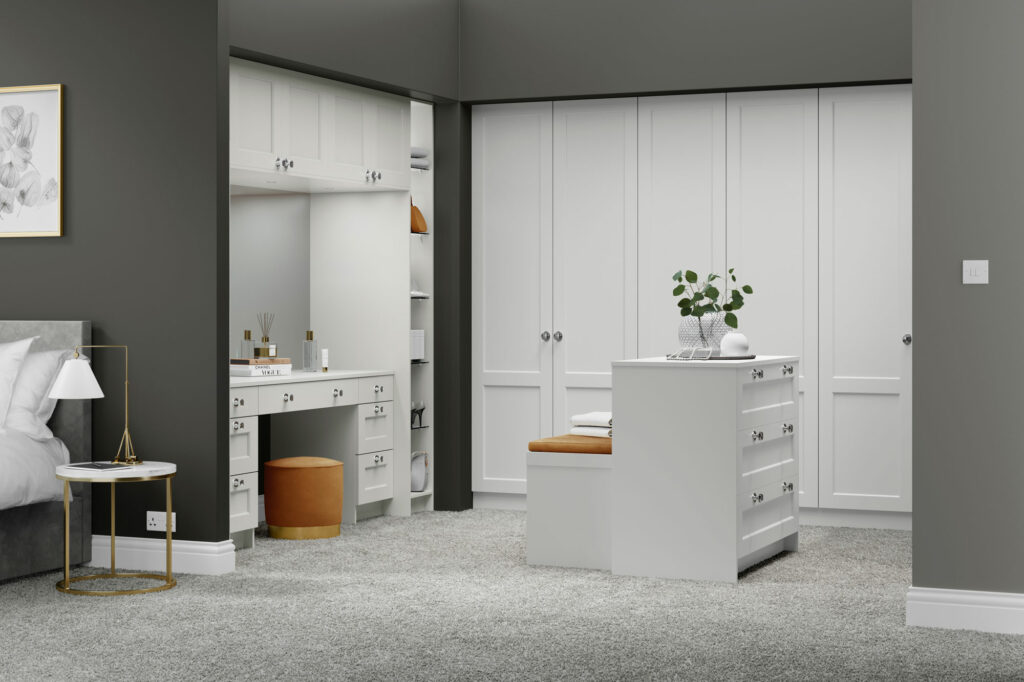
Many homeowners underestimate how much storage they need or rely solely on freestanding furniture. Bespoke cabinetry, fitted wardrobes and integrated shelving can provide practical solutions while maintaining a clean and cohesive look.
Designing storage into a home from the outset helps create interiors that feel calm and organised. When everything has its place, rooms naturally become more enjoyable to live in.
5. Trying to Design Every Room Separately
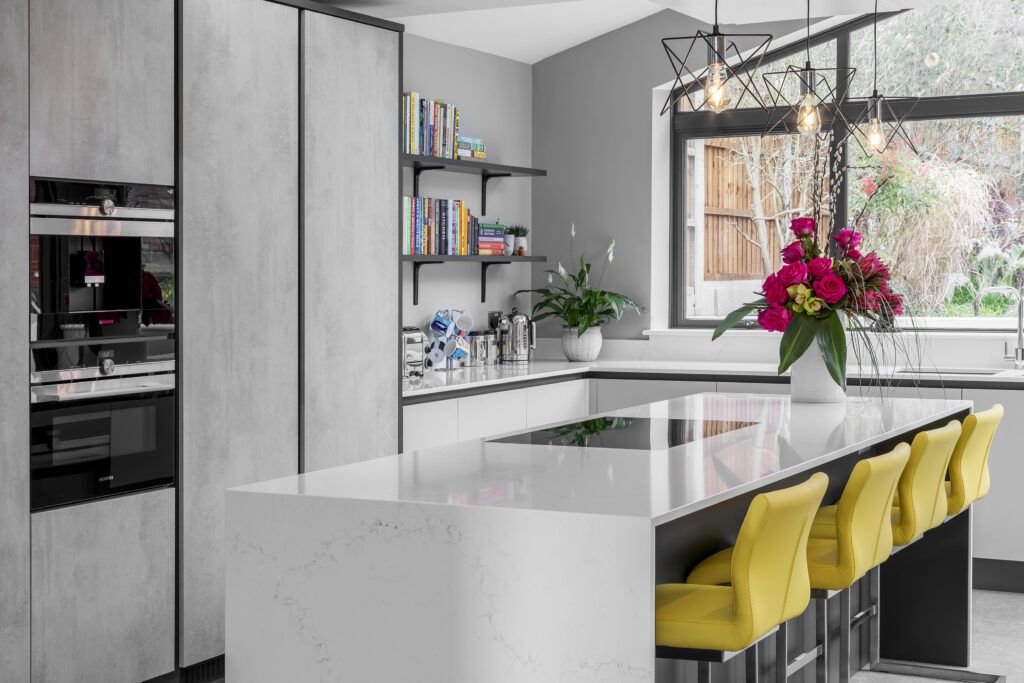
It’s easy to become so focused on individual rooms that you lose sight of the bigger picture. While each space should have its own personality, your home should still feel cohesive and connected.
Repeating colours, materials or design elements throughout a property helps create flow and continuity. This doesn’t mean every room needs to look identical, but there should be a common thread that ties everything together.
Thinking about your home as a whole rather than a collection of separate rooms will result in a more polished and harmonious interior. It’s often this sense of cohesion that gives homes their effortless, professionally designed feel.
Summary
Interior design mistakes are incredibly common, but most can be avoided with careful planning and a focus on timeless principles. By prioritising quality over trends, choosing furniture that suits your space and paying attention to lighting and storage, you can create a home that’s both beautiful and practical.
The most successful interiors aren’t necessarily the most expensive or the most fashionable. They’re the homes that have been thoughtfully designed around the people who live in them, creating spaces that feel comfortable, cohesive and built to last.