


Modernising your home doesn’t have to mean stripping away everything that makes it unique. In fact, some of the most beautiful interiors are those that successfully blend contemporary design with original character, creating spaces that feel fresh, functional and full of personality.
Across Essex and Greater London, many homeowners are renovating period properties or updating older homes that already possess distinctive features. Original fireplaces, bay windows, ornate cornicing and parquet flooring all contribute to a home’s charm, and with the right approach, these elements can be celebrated rather than replaced. Here are five ways to modernise your home while preserving the character that makes it special.
1. Preserve Original Features Wherever Possible
Original architectural details are often impossible to replicate authentically, which is why preserving them should be a priority during any renovation. Features such as fireplaces, ceiling roses, mouldings and timber floors provide a sense of history and craftsmanship that instantly adds character to a home.
Rather than removing these details, consider restoring and highlighting them. A period fireplace can become a focal point in an otherwise contemporary room, while original flooring can be refinished to complement a modern colour palette. By retaining these elements, you create a connection between the past and present that gives your home a more layered and interesting feel.
Modernising isn’t about erasing history—it’s about allowing original features to shine within a more current and functional setting.
2. Introduce Contemporary Materials Thoughtfully
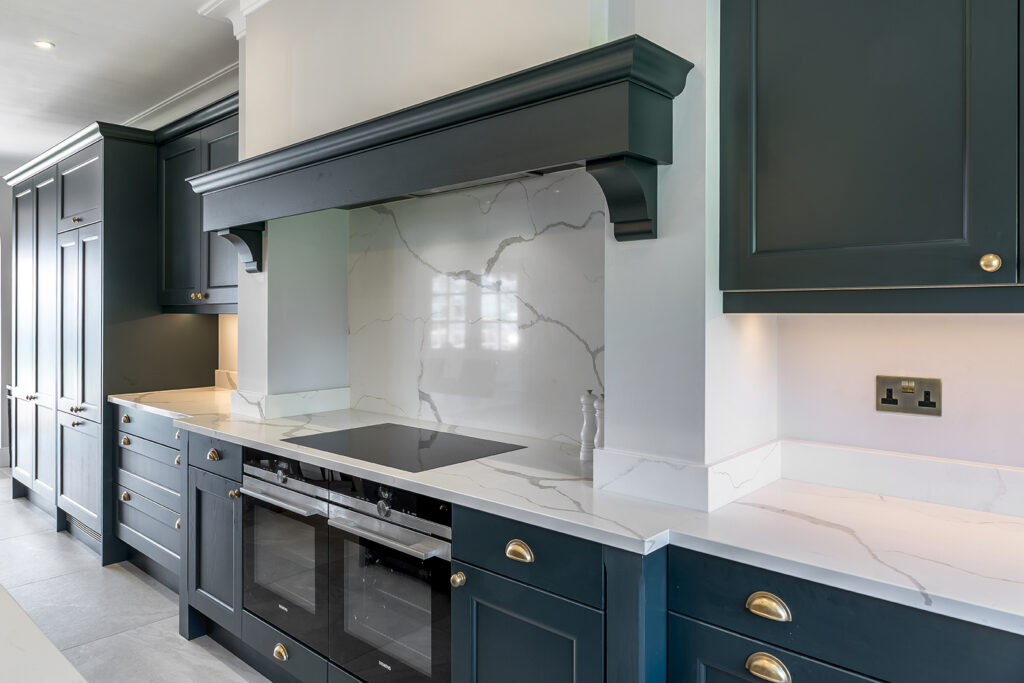
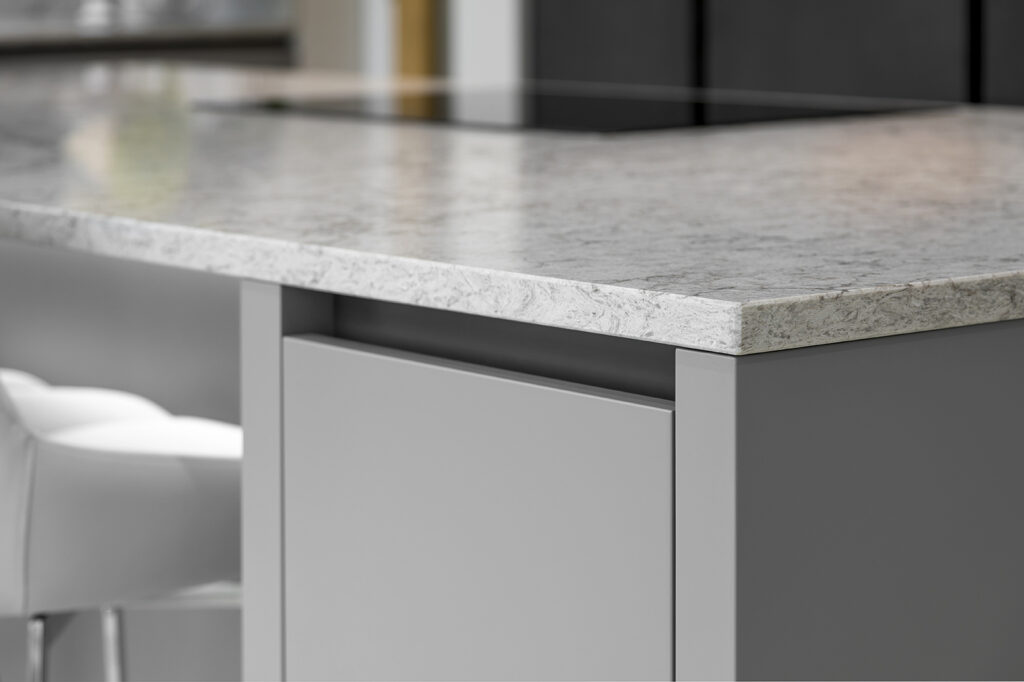
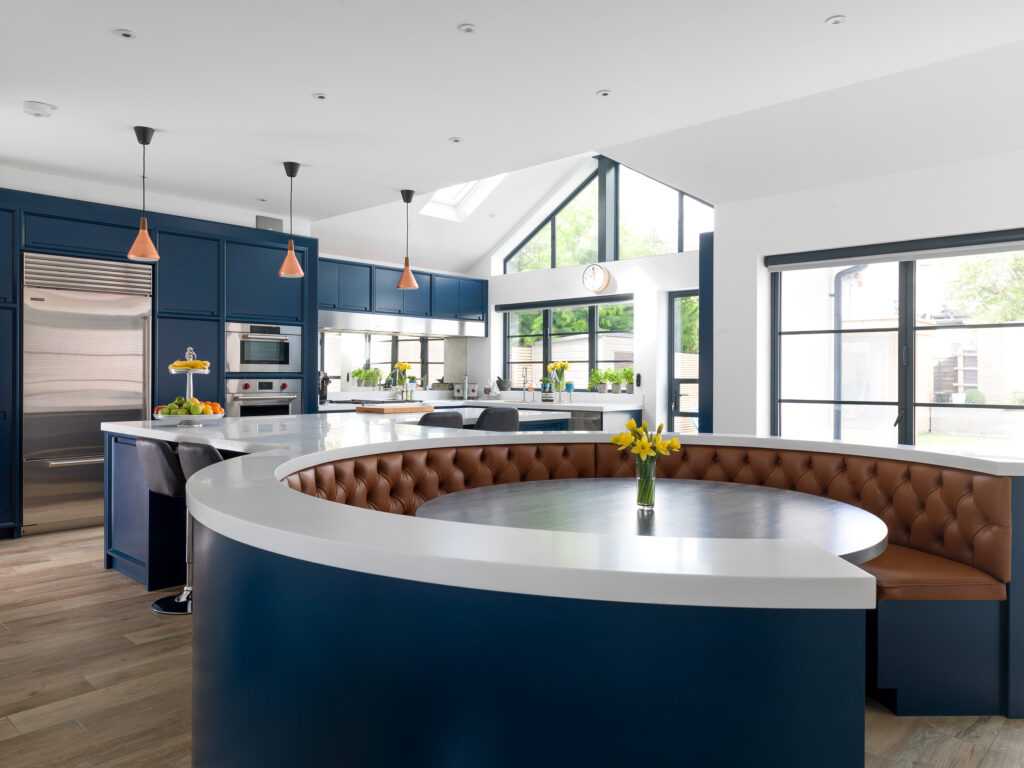
Modern materials can bring a fresh perspective to an older home, but it’s important to introduce them in a way that feels sympathetic to the property’s character. Sleek stone worktops, minimalist cabinetry and large-format tiles can work beautifully when balanced with more traditional features.
The key is contrast. Pairing contemporary finishes with original details often creates the most visually striking interiors. For example, a modern kitchen with clean lines can sit comfortably within a Victorian property if the proportions and materials are chosen carefully.
By mixing old and new thoughtfully, you can create spaces that feel updated without losing the warmth and personality that make period homes so appealing.
3. Update Your Colour Palette
One of the easiest ways to modernise a home is through colour. While bright whites and cool greys have dominated interiors in recent years, many homeowners are now embracing warmer, more nuanced shades that complement older architecture.
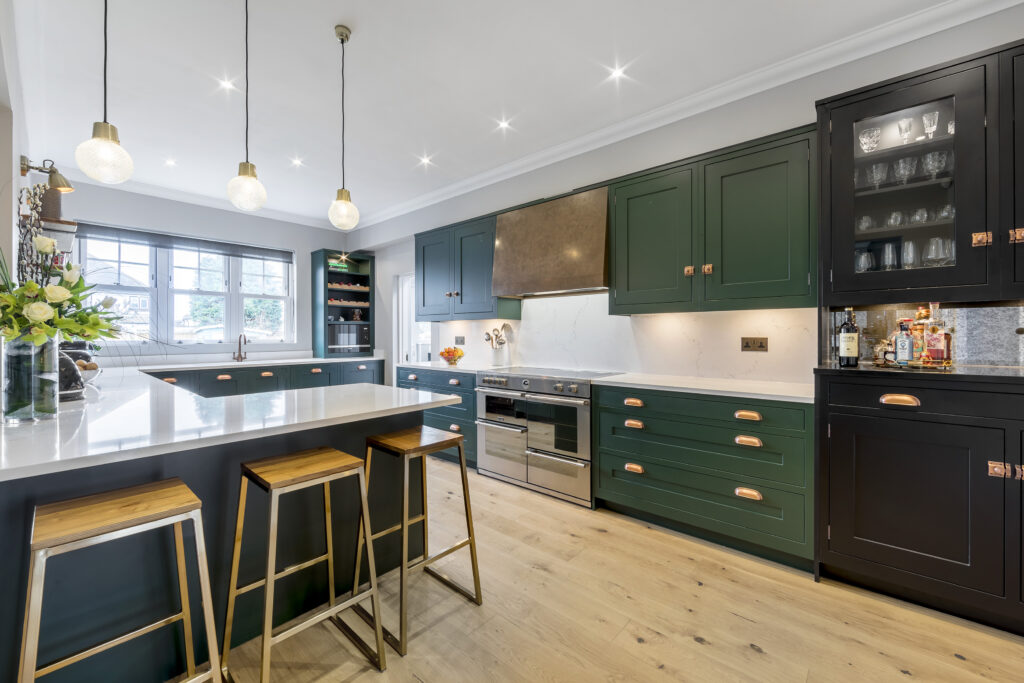
Soft taupes, muted greens, warm creams and earthy tones work beautifully alongside traditional features, helping to create spaces that feel contemporary yet timeless. These colours enhance natural light and provide a sophisticated backdrop for both antique and modern furnishings.
A carefully chosen colour palette can completely transform how a room feels, giving it a fresh identity while still respecting its original character.
4. Improve Functionality Without Compromising Style
Older homes are often full of charm, but they don’t always suit modern lifestyles. Storage can be limited, layouts may feel restrictive and certain rooms might not function as efficiently as homeowners would like.
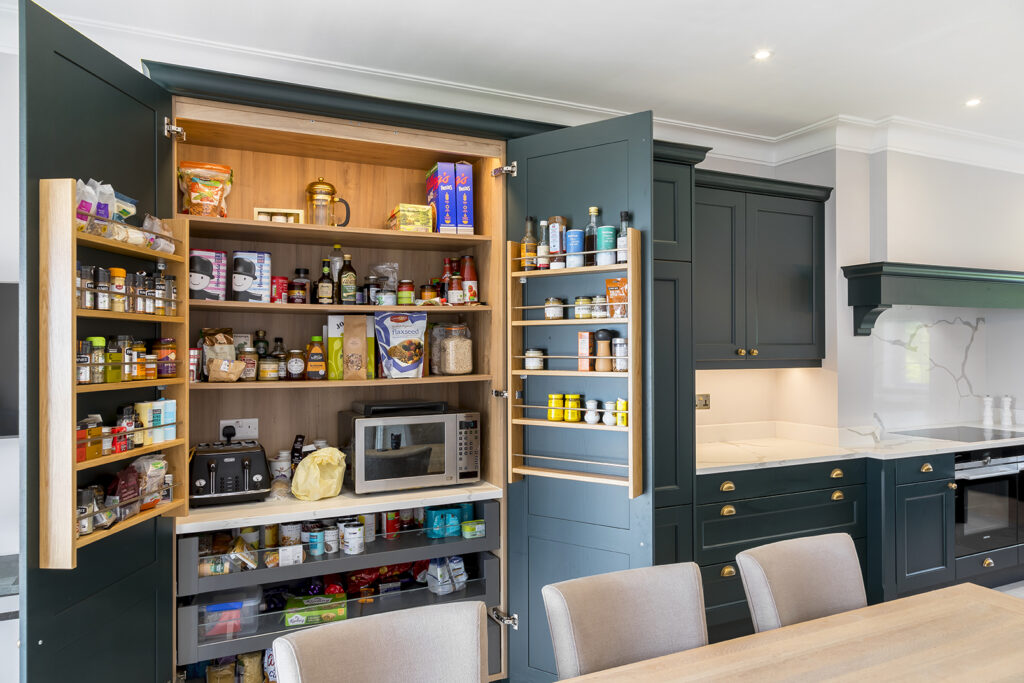
Thoughtful updates such as bespoke cabinetry, improved lighting and discreet storage solutions can make a huge difference without altering the essence of a home. Open shelving, fitted wardrobes and multifunctional furniture help maximise practicality while maintaining a clean and elegant aesthetic.
The goal is to enhance the way your home works without losing the qualities that made you fall in love with it in the first place.
5. Blend Traditional and Modern Furniture
A common misconception is that furniture should match the age of a property. In reality, mixing traditional and contemporary pieces often creates the most dynamic and interesting interiors.
A sleek modern sofa can look stunning against period panelling, while a vintage dining table can bring warmth and character to a newly renovated kitchen. The contrast between old and new creates balance, preventing interiors from feeling either too formal or too trend-driven.
By combining furniture from different eras, you create a home that feels collected over time rather than designed all at once. This layered approach gives interiors personality and ensures they remain stylish for years to come.
Summary
Modernising your home doesn’t require sacrificing its character. In fact, the most successful renovations are often those that celebrate original features while introducing contemporary elements that improve functionality and reflect modern lifestyles.
By preserving architectural details, choosing sympathetic materials and balancing old with new, you can create interiors that feel timeless, elegant and uniquely personal. The result is a home that honours its history while being perfectly suited to the way you live today.