


Creating a luxurious home isn’t simply about choosing expensive furniture or following the latest design trends. The most successful interiors are those that strike a balance between beauty and practicality, ensuring spaces not only look impressive but also work seamlessly for everyday life. True luxury is found in thoughtful details: a well-planned layout, high-quality materials and spaces that reflect the personalities of the people who live in them.
Across Essex and Greater London, homeowners are increasingly prioritising interiors that feel elegant without sacrificing comfort or functionality. Whether you’re renovating an entire property or making smaller updates, these principles can help you create a home that feels both luxurious and effortlessly liveable.
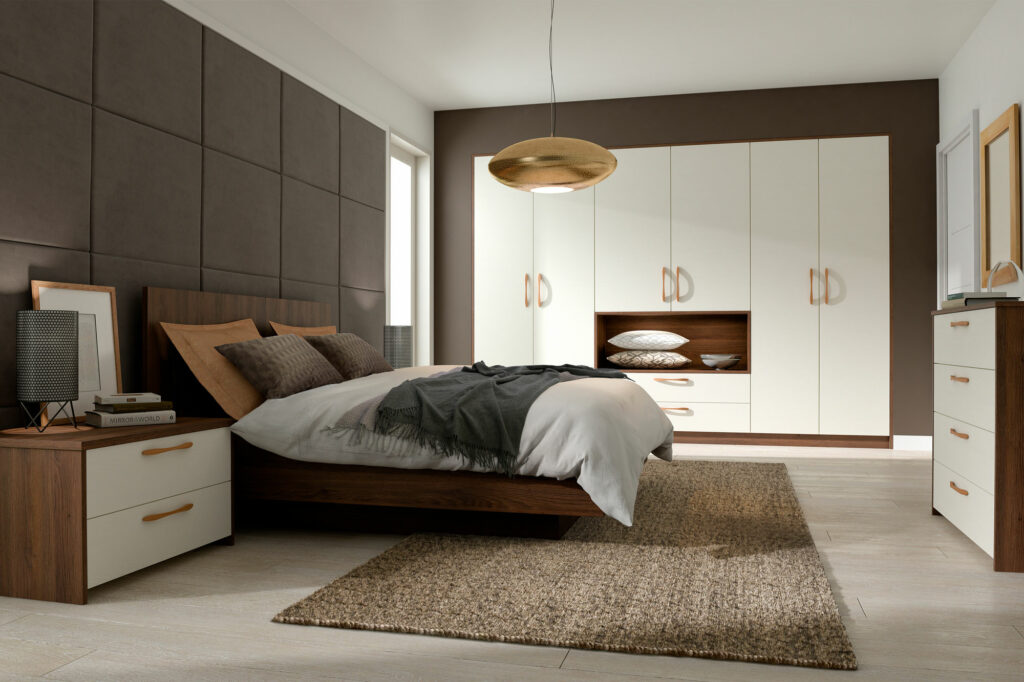
1. Prioritise Layout and Flow
No matter how beautiful a room looks, it won’t feel luxurious if it doesn’t function well. One of the most important aspects of interior design is creating a layout that supports the way you live. Rooms should feel intuitive to move through, with furniture positioned to encourage conversation, relaxation and practicality.
A thoughtful layout considers everything from natural light to traffic flow. In open-plan spaces, carefully zoning different areas can help create structure without sacrificing openness. In smaller rooms, choosing appropriately scaled furniture can make a space feel larger and more comfortable.
Luxury often begins with simplicity. When a room feels easy to use and naturally balanced, it immediately becomes more enjoyable to spend time in.
2. Invest in Quality Materials
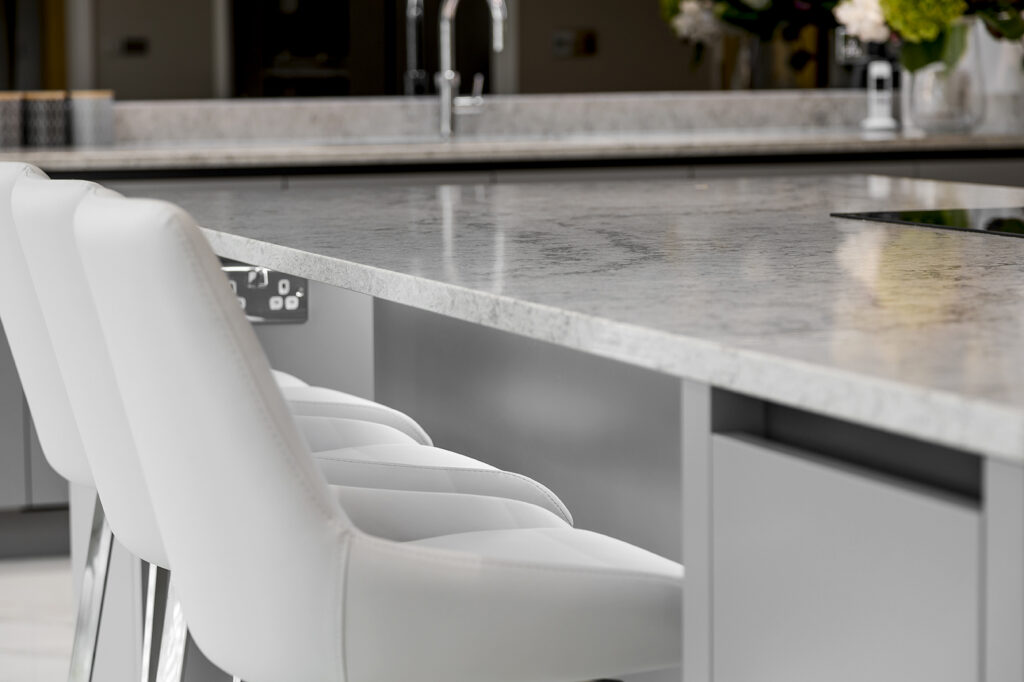
The materials you choose have a huge influence on how a home looks and feels. Natural stone, solid wood, linen and high-quality fabrics introduce texture, warmth and durability, helping spaces feel refined and timeless.
While trends come and go, quality materials tend to age beautifully. An oak dining table, marble worktop or beautifully upholstered sofa can remain stylish for years, making them worthwhile long-term investments. These pieces also develop character over time, adding depth and personality to a home.
Luxury isn’t necessarily about having more—it’s often about choosing fewer things, but choosing them well. Prioritising craftsmanship and quality creates interiors that feel calm, cohesive and enduring.
3. Layer Your Lighting
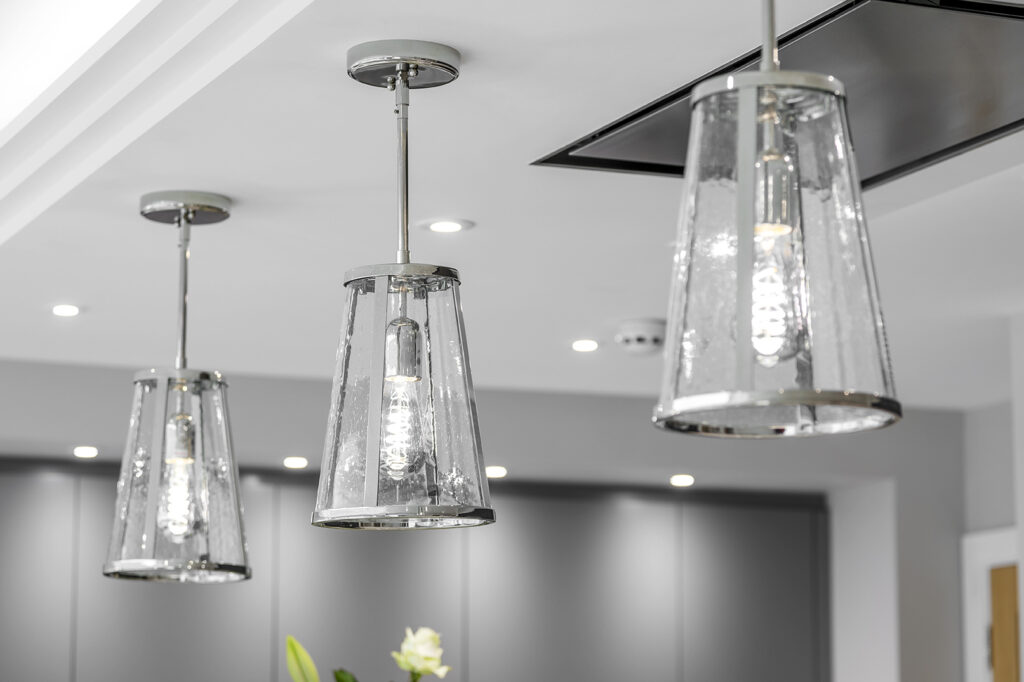
Lighting is one of the most powerful tools in interior design, yet it’s often overlooked. A single ceiling light rarely provides the warmth and flexibility needed to make a room feel truly inviting. Instead, the most luxurious interiors use multiple layers of lighting to create atmosphere and adapt to different occasions.
Ambient lighting provides overall illumination, task lighting supports activities such as reading or cooking, and accent lighting highlights architectural details or artwork. Together, these layers create depth and allow homeowners to adjust the mood of a room throughout the day.
Statement pendant lights, elegant wall sconces and carefully placed table lamps can all contribute to a more sophisticated and welcoming interior. Good lighting doesn’t just help you see a room—it transforms how you experience it.
4. Embrace Bespoke Storage
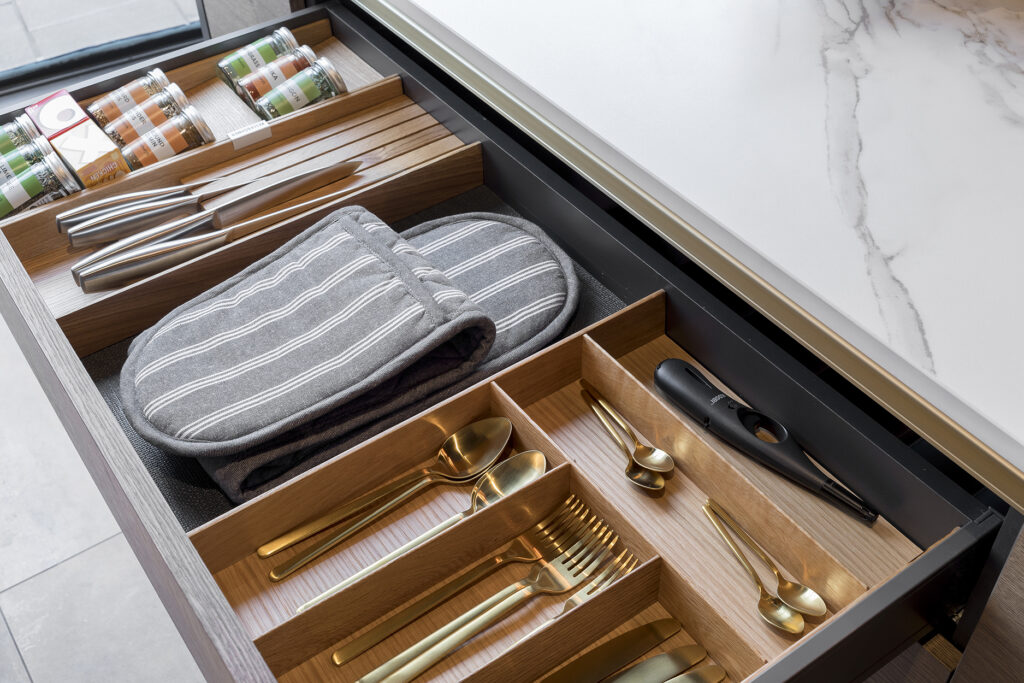
Clutter can quickly undermine even the most beautifully designed interior. That’s why clever storage solutions are an essential part of creating a home that feels luxurious and functional.
Bespoke storage allows homeowners to maximise every inch of space while maintaining a clean, streamlined appearance. Built-in wardrobes, media units, hidden cabinetry and fitted shelving can all help keep everyday items organised without compromising on style.
Beyond practicality, bespoke storage contributes to a sense of calm. When everything has its place, rooms feel more spacious and relaxing. It’s this effortless sense of order that often distinguishes truly luxurious homes from simply well-decorated ones.
5. Add Personal Touches
While beautiful furniture and premium materials are important, the most memorable homes are those that feel personal. Luxury isn’t about recreating a showroom—it’s about designing spaces that tell your story and reflect your lifestyle.
Artwork collected over time, treasured family pieces, books and meaningful objects all contribute to a home’s character. These details add warmth and individuality, ensuring interiors feel authentic rather than overly styled.
Personal touches also help create spaces that stand the test of time. Trends may change, but a home filled with pieces you genuinely love will continue to feel relevant and enjoyable for years to come.
Summary
A luxurious home isn’t defined by how much money is spent—it’s defined by how thoughtfully it’s designed. By prioritising layout, investing in quality materials, layering lighting and incorporating smart storage, homeowners can create spaces that are both elegant and practical.
The most successful interiors are those that combine timeless design with personal touches, creating homes that feel beautiful, comfortable and uniquely their own. Whether you’re making small changes or planning a complete renovation, focusing on these principles can help transform your home into a space that feels effortlessly luxurious every day.